Women's History Month
March 4, 2026
This year's theme for Women's History Month, Leading the Change: Women Shaping a Sustainable Future, acknowledges that sustainable systems must support people as well as the planet.
Library collections can help you learn more about the known trailblazers who have shaped our world, or even discover the less well known. A few places to start:
- The Women Composers Collection, with rare and sometimes unique scores by 18th-20th century women composers, many available online
- The Janice Bluestein Longone Culinary Archive documenting the American culinary experience, which offers crucial insight into American women's history, and is in itself a testament to its trailblazing creator
- The Joseph A. Labadie Collection, with materials on many feminist and women's causes and movements in the U.S.
Read about how students used historical family recipe books written and maintained by generations of women to learn lessons about how sustainable practices from the past can support a sustainable future.
Browse the Kanopy collection of films celebrating women's history month, and watch in your browser, or via the app on your phone, tablet, or tv.
Join us for Art + Feminism on March 15, featuring a faculty panel discussing the creation of a feminist, inclusive, and more equitable internet, a Wikipedia and Wikidata Edit-a-thon, and lunch.
The library also hosts digitized collections held by the William L. Clements Library, among them:
- The Louise Gilman Papers, 1866-1869 — letters written by Louise Gilman while serving as a teacher at the Hampton Institute in Hampton, Virginia, a school established to educate freed slaves.
- The Lydia Maria Child Papers, 1835-1894 — personal letters from the editor of The National Anti-Slavery Standard documenting her day to day finances, friends, and family.
For help finding materials, see our guide to Women's and Gender Studies, or search by subject in our Advanced Catalog Search: select Subject in the dropdown menu, and enter a term (for example, "Women's History" or "Journalists, Women"). Use quotes around phrases for more precise results.
The online exhibit Birthing Reproductive Justice: 150 Years of Images and Ideas documents a movement led by women of color that has persistent and profound implications for American women.
Use Ask a Librarian for help finding materials, or contact one of our experts for help on a specific topic or area of study.
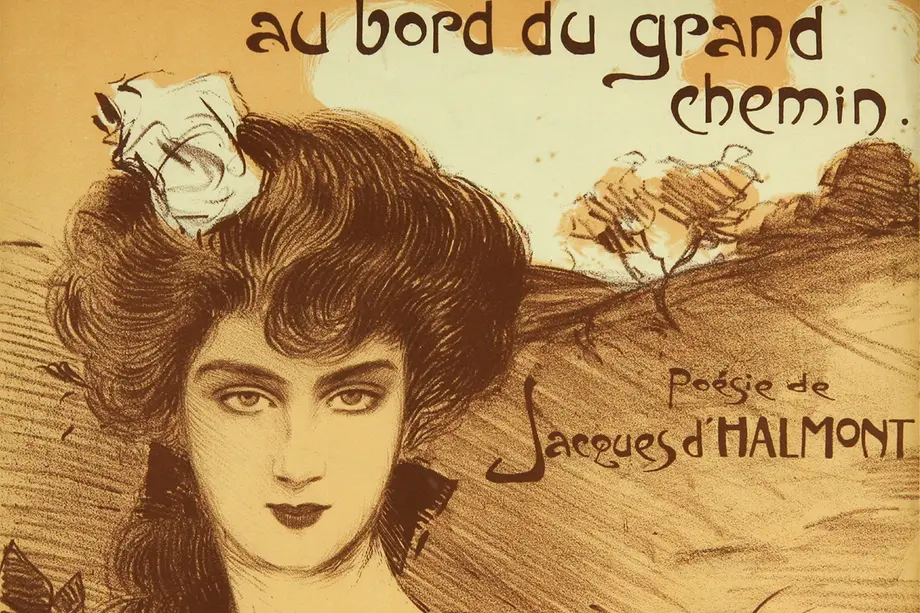
Partial cover of the sheet music to Au bord du grand chemin by Jane Vieu.